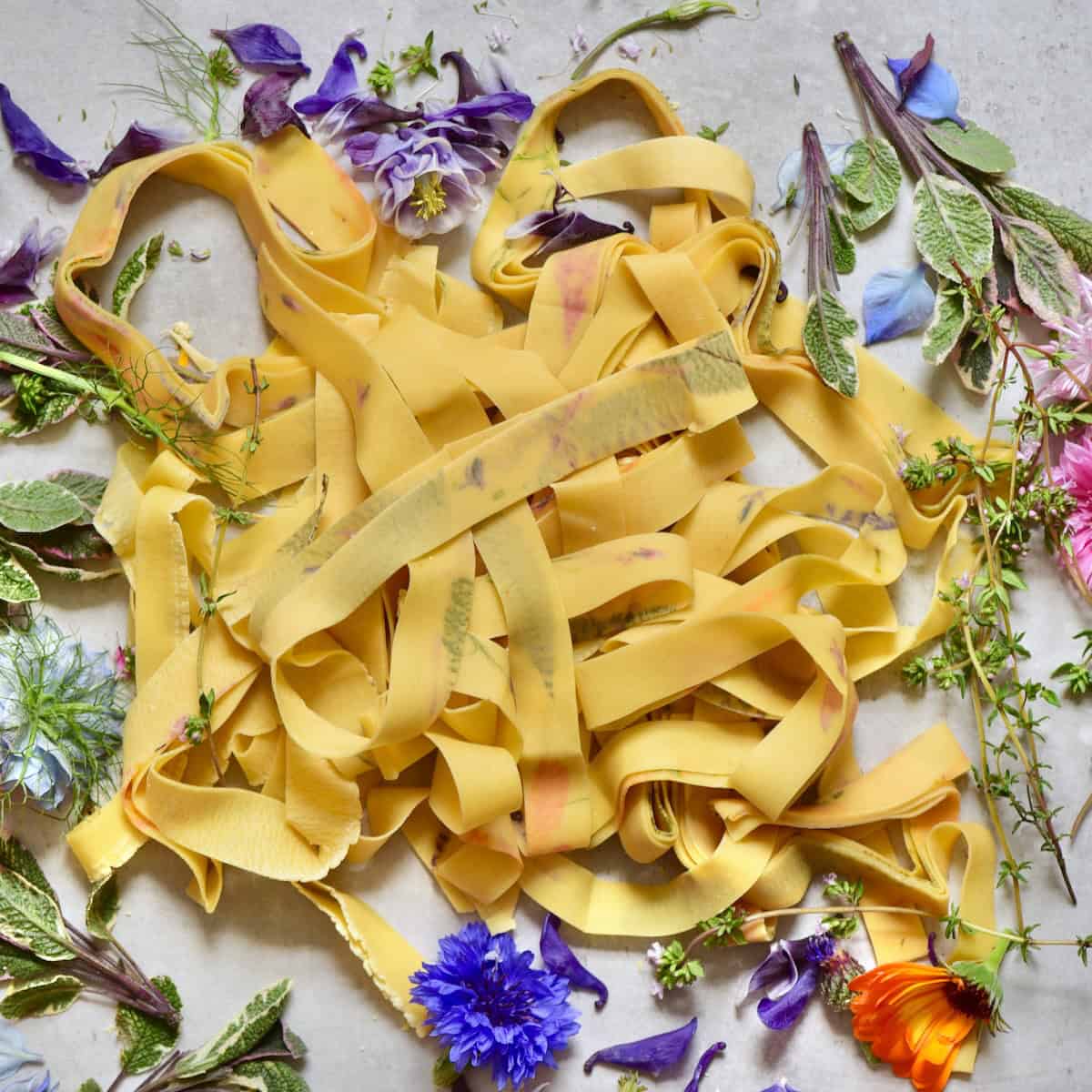
No Pasta Machine? Make Elegant Floral Pappardelle Pesto
Imagine a plate of vibrant pasta, adorned with delicate petals and verdant herbs, all lovingly made from scratch in your own kitchen – no fancy equipment required! For too long, the idea of homemade pasta has been associated with intimidating machinery, but we're here to shatter that myth. Crafting exquisite, fresh pappardelle, complete with a stunning floral and herby infusion, is not only achievable with just a rolling pin but also incredibly rewarding. Paired with a vibrant, classic basil pesto, this dish transforms a simple meal into an elegant culinary experience. Get ready to discover the pure joy of
homemade pappardelle, enhanced by beautiful
floral pasta and a luscious
basil pesto, proving that gourmet flavors are truly within everyone's reach.
The Magic of Homemade Pasta (No Machine Needed!)
The secret to incredible pasta starts with simplicity: just two core ingredients – flour and eggs. It's a testament to how humble components can create something truly extraordinary. While a pasta machine can offer consistency, it's absolutely not a prerequisite for achieving silky, delicate ribbons of pappardelle. Your own two hands, a sturdy rolling pin (or even a clean glass bottle!), and a bit of patience are all you need to master this age-old craft.
Making fresh pasta from scratch is more than just cooking; it's a therapeutic process that connects you to generations of culinary tradition. In about 30 minutes, you can transform flour and eggs into a dough that promises a texture and flavor far superior to anything store-bought. The satisfaction of serving a dish you’ve created entirely from the ground up, especially one as visually striking as floral pappardelle, is unparalleled. This method not only saves you from investing in specialized equipment but also hones your intuitive culinary skills, allowing you to truly feel the dough and understand its nuances. This hands-on approach is key to developing a strong understanding of your ingredients and how they interact.
Crafting Your Elegant Floral Pappardelle Dough
Creating the perfect pasta dough is the foundation of this dish. The process begins with setting up your workspace.
Basic Dough Preparation:
- Flour First: On a clean, flat surface (a large wooden board or countertop works best) or in a spacious bowl, pile your '00' grade pasta flour. A good rule of thumb is 100g of flour per egg, per person, making it easy to scale up or down.
- Make a Well: Create a deep well in the center of the flour. This is where the magic begins.
- Add Eggs: Crack your fresh eggs directly into the well.
- Initial Mix: Using a fork, gently beat the eggs, gradually incorporating small amounts of flour from the inner walls of the well. Continue until you have a thick, shaggy mixture that's thoroughly combined.
Kneading to Perfection:
Once the mixture comes together, it's time to knead. This crucial step develops the gluten, giving your pasta its smooth, elastic texture.
- The Process: Use the heels of your hands to push, pull, and stretch the dough. This isn't just about combining ingredients; it's about building structure.
- Feel for Smoothness: Knead for 8-10 minutes. The dough will gradually transform from rough and sticky to smooth, pliable, and elastic. If it's too sticky, add a tiny sprinkle of flour – a little goes a long way. If it feels too dry, mist your hands with a little water.
- Be Patient: This stage requires endurance, but it's essential for achieving that desirable silky texture in the final pasta, preventing it from being lumpy or brittle.
- Rest: Once smooth, cover the dough tightly with plastic wrap or a damp cloth and let it rest for at least 30 minutes at room temperature. This allows the gluten to relax, making the dough much easier to roll out thinly.
The Floral Twist: Lamination for Beauty and Flavor
Now for the showstopper – the floral element. This technique, known as lamination, embeds fresh herbs and edible flowers directly into your pasta, creating a visually stunning effect and a delicate aroma.
- Roll Thin Sheets: Divide your rested dough into manageable portions. Using your rolling pin, roll each piece out into a very thin, long sheet. Aim for semi-translucent; you should be able to faintly see your hand underneath. For the floral lamination, you'll need *two* thin sheets of roughly similar size.
- Arrange Botanicals: On one of these thin sheets, carefully arrange your chosen edible flowers (like pansies, violas, calendula, or nasturtiums) and fresh herbs (such as flat-leaf parsley, dill sprigs, or small basil leaves). Ensure they are clean and dry. Distribute them artistically, keeping some space between them.
- Layer and Seal: Gently lay the second thin pasta sheet directly on top of the first, covering the botanicals.
- Roll Together: With your rolling pin, very carefully and gently roll over the top sheet. Start from the center and work your way outwards, pressing the two layers together and embedding the flowers and herbs. This step requires a delicate touch to prevent tearing while ensuring the layers adhere seamlessly. The goal is to make the entire sheet even thinner and fully integrated.
Tip: For vibrant results, choose flowers with contrasting colors. Ensure all flowers and herbs are genuinely edible and free from pesticides. Your local farmer's market or specialty grocery store is a great source for culinary-grade botanicals.
Rolling, Shaping, and Perfecting Your Pappardelle
With your beautiful dough ready, it’s time to transform it into wide, luxurious ribbons of pappardelle. Remember, no machine needed – your rolling pin is your best friend here!
Rolling Out the Dough: The Rolling Pin Method
This is where patience and technique truly shine.
- Prep Your Surface: Lightly flour your work surface and rolling pin. This prevents sticking, which is crucial when rolling such thin sheets.
- Divide and Conquer: Work with one piece of dough at a time, keeping the remaining pieces covered to prevent them from drying out.
- Consistent Pressure: Begin rolling from the center outwards, applying even pressure. Rotate the dough frequently and flip it occasionally to ensure even thickness.
- Aim for Translucence: Continue rolling until the dough is incredibly thin – you should be able to see your hand or the pattern of your work surface clearly through it. This thinness is key to light, tender pasta. If it sticks at any point, lightly dust with flour. Don't be afraid to stretch and pull gently as you roll.
Expert Tip: If your dough springs back too much, let it rest for another 5-10 minutes under a damp cloth. The gluten needs to relax further.
Shaping Your Pappardelle Ribbons:
Once your sheet of pasta is thin and even, it’s time to cut your pappardelle.
- Lightly Flour: Dust the rolled-out sheet very lightly with flour to prevent sticking when folding.
- Accordion Fold: Gently fold the pasta sheet lengthwise a few times, like an accordion. The width of your folds will dictate the length of your pappardelle ribbons.
- Cut into Ribbons: Using a sharp knife, slice the folded pasta into ribbons approximately 1 inch (2.5 cm) wide. Pappardelle is known for its broad, flat shape, which is perfect for capturing rich sauces.
- Unfurl and Dust: Carefully unfurl each ribbon and lay it out on a lightly floured baking sheet or parchment paper. Dust with a little more flour to prevent sticking while you finish the rest of the dough.
Your
homemade pappardelle, now adorned with stunning botanical patterns, is ready to be cooked immediately or can be stored. For immediate cooking, bring a large pot of salted water to a rolling boil. Fresh pasta cooks very quickly – typically 2-4 minutes, depending on thickness. For storage, you can freeze it in single layers on a baking sheet until firm, then transfer to an airtight container or freezer bag for up to a month.
The Perfect Companion: Fresh Basil Pesto
While your floral pappardelle is undeniably the star, its ideal partner is a vibrant, aromatic basil pesto. The fresh, herbaceous notes of the pesto beautifully complement the delicate flavors and visual appeal of the floral pasta, creating a harmonious and utterly delicious dish.
Classic Basil Pesto Ingredients:
- 2 cups fresh basil leaves, packed
- 1/2 cup grated Parmesan cheese (or Pecorino Romano for a sharper taste)
- 1/2 cup extra virgin olive oil
- 1/3 cup pine nuts (lightly toasted for extra flavor)
- 2 cloves garlic, peeled
- Salt and freshly ground black pepper to taste
Preparing Your Pesto:
The beauty of pesto lies in its simplicity.
- Food Processor Method: Combine the basil, Parmesan, pine nuts, and garlic in a food processor. Pulse a few times until coarsely chopped.
- Stream in Oil: With the food processor running, slowly drizzle in the olive oil until the mixture reaches a smooth, consistent sauce. You might prefer a slightly chunkier pesto, so process to your desired texture.
- Season: Season generously with salt and pepper. Taste and adjust as needed.
- Mortar and Pestle (Traditional): For a truly authentic and intensely flavorful pesto, use a mortar and pestle. This method bruises the basil leaves rather than cutting them, releasing more aromatic oils. Grind the garlic and pine nuts first, then add basil and salt, mashing until a paste forms, then slowly incorporate the cheese and finally the olive oil.
Serving Suggestion: Toss your freshly cooked floral pappardelle directly with the basil pesto. The heat from the pasta will gently warm the pesto, releasing its full aroma. Garnish with a few fresh basil leaves, a sprinkle of extra Parmesan, and perhaps some halved cherry tomatoes for a burst of color and sweetness. The broad pappardelle ribbons are perfect for clinging to the rich, garlicky pesto.
Conclusion
Creating elegant
homemade pappardelle floral pasta basil pesto might sound intimidating, but as you've discovered, it's a wonderfully accessible and satisfying endeavor, even without a pasta machine. From the therapeutic kneading of the dough to the artistic lamination of edible flowers and the simple joy of slicing your own fresh pasta, every step is a rewarding experience. This dish isn't just a meal; it's a testament to the beauty of handmade food, a feast for both the eyes and the palate. So, roll up your sleeves, embrace your inner artisan, and surprise your family and friends with this stunning, flavorful creation that proves true culinary elegance often comes from the simplest, most heartfelt efforts.