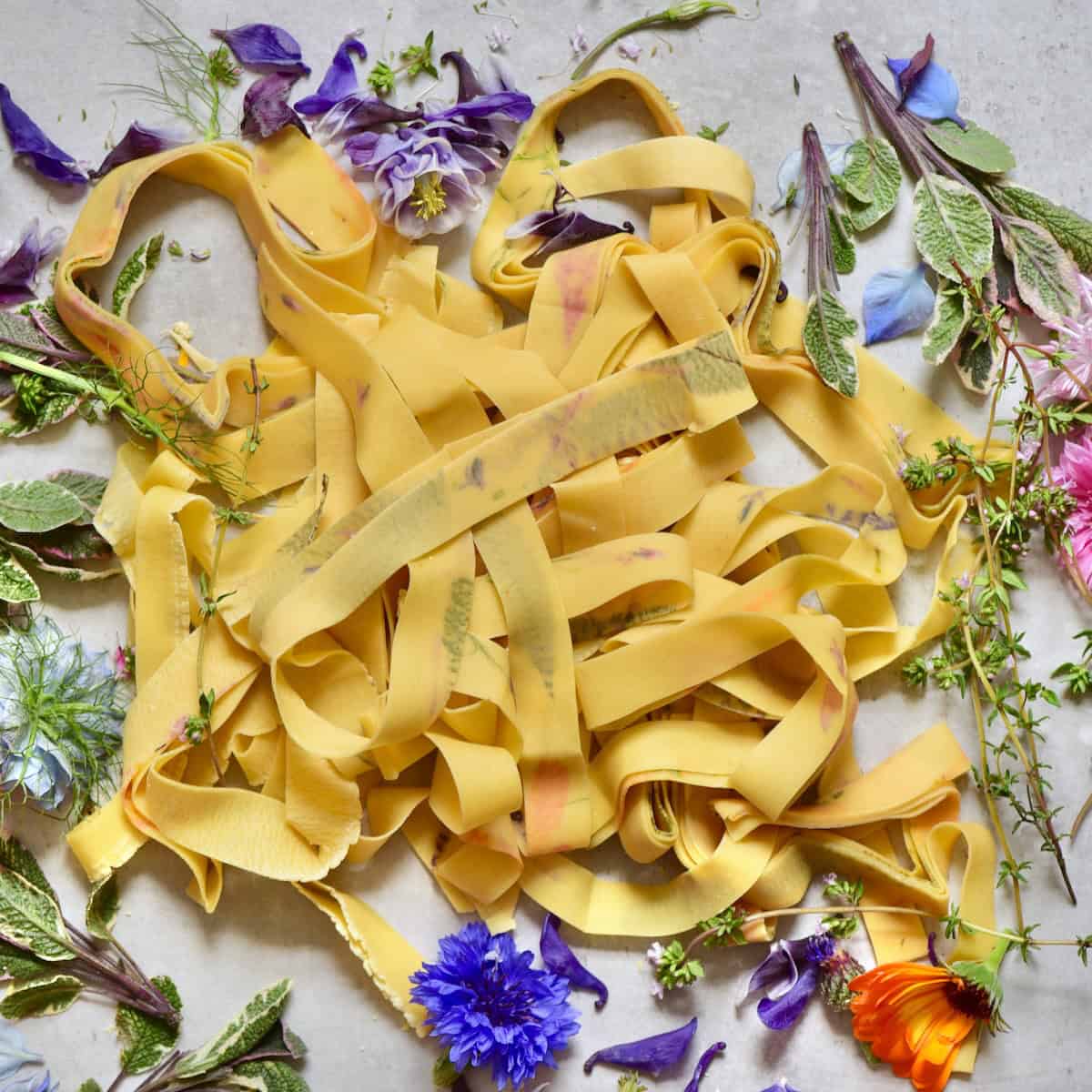
The Allure of Homemade Pappardelle: Classic & Floral Pasta Made Simple
Imagine wide, silky ribbons of pasta, perfectly al dente, coated in a vibrant, fragrant basil pesto. Now imagine crafting those ribbons yourself, from scratch, in your own kitchen. While the idea of homemade pasta might seem daunting, mastering pappardelle is surprisingly simple and incredibly rewarding. This comprehensive guide will walk you through creating not only the classic, rustic version of this beloved Italian pasta but also a breathtaking floral variation that adds an elegant touch and delicate flavor to any meal. Paired with a fresh basil pesto, you'll discover a culinary experience that elevates your everyday dining.
Why Embrace Homemade Pasta Making?
There's an unparalleled joy and satisfaction that comes with creating something delicious with your own hands. Beyond the therapeutic process, homemade pappardelle offers significant advantages over its store-bought counterparts:
* **Superior Flavor and Texture:** Fresh pasta, made with quality ingredients, boasts a tender, delicate texture and a richer flavor that simply cannot be replicated by dried versions. It absorbs sauces beautifully, ensuring every bite is a burst of taste.
* **Purity of Ingredients:** You control exactly what goes into your pasta – just flour and eggs. No preservatives, artificial colors, or additives. This is especially true when creating unique variations like green pasta dough or vibrant pink pasta dough.
* **A Rewarding Experience:** Making pasta is a meditative process that connects you to culinary traditions. It’s a fantastic way to slow down, engage your senses, and create something truly special for yourself, your family, and friends.
* **Surprisingly Simple:** Despite its gourmet reputation, making fresh pappardelle is accessible to home cooks of all skill levels. With just two core ingredients and some patience, you can transform simple elements into an exquisite meal in around 30 minutes of active prep time. You don’t even need a specialized pasta machine, though it can certainly simplify achieving consistent results.
Mastering the Art of Pappardelle: Step-by-Step Classic Preparation
The foundation of any great pasta dish begins with the dough. For pappardelle, a robust, elastic dough is key to achieving those signature wide ribbons.
Essential Ingredients & Initial Steps
The beauty of classic pasta lies in its simplicity. You only need two core ingredients:
* **Flour:** For the best results, opt for "00" grade pasta flour, which is finely milled and low in protein, resulting in a silky texture. A good rule of thumb is 100g of '00' grade pasta flour per person.
* **Eggs:** Fresh, large eggs are crucial. Use 1 egg per 100g of flour.
**Let's get started:**
1. **Prepare Your Workspace:** Find a clean, spacious work surface (like a large cutting board or countertop) or use a wide, shallow bowl.
2. **Form the Well:** Pour your measured flour onto the surface or into the bowl, creating a mound. Then, make a deep well in the center, like a volcano crater, ensuring the walls are high enough to contain the eggs.
3. **Add the Eggs:** Carefully crack your eggs into the well.
4. **Initial Mixing:** Using a fork, gently beat the eggs in the well. Gradually, start incorporating small amounts of flour from the inner walls of the well into the beaten eggs. Continue this process, drawing more flour in, until the mixture starts to come together and forms a shaggy, combined dough.
Kneading: The Heart of Great Pasta Dough
This is where the magic happens – and patience pays off.
1. **Bring it Together:** Once the mixture is too thick for a fork, scrape the remaining flour and dough onto your work surface and begin kneading with your hands.
2. **Develop the Gluten:** Kneading is crucial for developing the gluten in the flour, which gives the pasta its elasticity and smooth, silky texture. Push the dough away from you with the heels of your hands, fold it over, rotate it, and repeat. This process involves shaping, pulling, and stretching the dough.
* **Troubleshooting:** If the dough feels too sticky and adheres to your hands, lightly dust your work surface and hands with a tiny bit of flour. Remember, a little goes a long way – add flour sparingly to avoid a dry, crumbly dough.
3. **Achieving Perfection:** Continue kneading for about 10-15 minutes until the dough transforms from rough and shaggy to smooth, firm, and elastic. When you press it, it should slowly spring back.
* **Stand Mixer Option:** Alternatively, if you have a stand mixer, you can use the dough hook attachment for 7-10 minutes on medium speed.
4. **Rest the Dough:** Form the dough into a ball, wrap it tightly in plastic wrap, and let it rest at room temperature for at least 30 minutes. This allows the gluten to relax, making the dough easier to roll.
Rolling & Cutting Your Pappardelle
Now comes the exciting part: transforming your dough into beautiful pasta ribbons.
1. **Prepare for Rolling:** Unwrap your rested dough. If you have a large batch, it’s best to cut it into 2-4 pieces, working with one at a time and keeping the others covered to prevent them from drying out. Lightly dust your work surface and the dough with flour as needed to prevent sticking.
2. **The Rolling Pin Method:** If you don't have a pasta machine, a good sturdy rolling pin (or even a clean glass bottle) will work perfectly. Roll the dough out, consistently turning it and dusting it lightly with flour, until it is incredibly thin. You want it to be slightly translucent – thin enough that you can almost see your hand underneath. This requires some muscle and persistence, but the results are incredibly satisfying. For more detailed guidance, check out our article:
No Pasta Machine? Make Elegant Floral Pappardelle Pesto.
3. **The Pasta Machine Method:**
* Start by flattening a piece of dough with your hands or a rolling pin until it's thin enough to pass through the widest setting ("0" or "1") of your pasta machine.
* Feed the dough through this setting. Fold the sheet in half lengthwise, and feed it through again 2-3 times, dusting lightly with flour if sticky. This helps to further develop gluten and create a smooth, even sheet.
* Gradually decrease the thickness setting, feeding the dough through each setting once, until you reach a thin, translucent sheet (typically setting "6" or "7" on most machines, but this varies).
4. **Cut the Ribbons:** Once your pasta sheet is perfectly thin, lightly dust it with flour. Fold the sheet loosely a few times (like an accordion or scroll) and then, using a sharp knife, cut into wide ribbons, approximately 1 inch (2.5 cm) wide. Unfold the ribbons and lay them gently on a lightly floured surface or hang them to dry slightly.
5. **Cook or Store:** Your homemade pappardelle is now ready to cook immediately in boiling salted water (it cooks very quickly, typically 2-4 minutes for fresh pasta) or can be frozen for later use.
Elevating Your Pasta: Crafting Exquisite Floral Pappardelle
For a truly show-stopping dish, the floral variation of pappardelle is an absolute must-try. It’s a wonderful way to add a touch of summer to your mid-week menu, transforming simple pasta into an edible work of art.
The Art of Floral Lamination
The key to floral pappardelle is "lamination," a technique where fresh herbs and edible flowers are carefully sandwiched between two thin layers of pasta dough. This process not only looks gorgeous but also infuses the pasta with a delicate, herbaceous flavor.
1. **Prepare the Dough (Twice):** Follow the steps for making classic pasta dough. The only difference is that you'll need two (or an even number) of very thin, long sheets of pasta dough of similar size. Roll these out slightly thinner than you would for classic pasta, as you'll be rolling them again.
2. **Select Your Botanicals:** This is where you can get creative! Choose fresh, organic, food-grade edible flowers and herbs.
* **Edible Flowers:** Think pansies, violas, calendula petals, borage flowers, nasturtiums, or small rose petals. Their vibrant colors will truly pop.
* **Fresh Herbs:** Small basil leaves, flat-leaf parsley leaves, dill sprigs, or chives work beautifully.
* **Sourcing Tip:** Ensure your flowers are specifically grown for consumption and are free from pesticides. Your own garden, a local farmer's market, or specialty grocery stores are good sources.
3. **Arrange and Laminate:**
* Lay one thin pasta sheet flat on your lightly floured work surface.
* Carefully arrange your chosen edible flowers and herbs on top of this sheet. Don't overcrowd it; space them out for maximum visual impact.
* Gently lay the second thin pasta sheet directly on top of the first, covering the botanicals.
* With a rolling pin, carefully and firmly roll over the top sheet. This action presses the two pasta sheets together, sealing the flowers and herbs inside and creating a beautiful, embedded design. Roll until the layers are fused and the pasta is translucent. Take care to ensure there are no air pockets.
4. **Cut and Admire:** Once laminated, proceed to cut the floral pasta into wide pappardelle ribbons as you would with classic pasta. Unfold them to reveal your stunning creation. This exquisite pasta is ready to be cooked or frozen, bringing a touch of elegance to any dish. For further inspiration on combining this beautiful pasta with its perfect sauce, read our full guide:
Craft Stunning Floral Pappardelle & Basil Pesto at Home.
The Perfect Pairing: Fresh Basil Pesto
Whether you opt for classic or floral pappardelle, the ultimate companion is a fresh, vibrant basil pesto. Originating from Genoa, Italy, this uncooked sauce is a celebration of fresh flavors and perfectly complements the wide, tender ribbons of pappardelle, allowing the sauce to cling to every strand.
Crafting Your Basil Pesto
Making homemade pesto is just as rewarding and simple as making pasta.
**Classic Pesto Ingredients:**
* 2 cups fresh basil leaves, packed
* 1/2 cup grated Parmesan cheese (or Pecorino Romano for a sharper taste)
* 1/2 cup extra virgin olive oil
* 1/3 cup pine nuts (lightly toasted for extra flavor, or substitute with walnuts or cashews)
* 2 cloves garlic, peeled
* Salt and freshly ground black pepper to taste
**Method:**
1. **Combine Ingredients:** In a food processor, combine the basil leaves, Parmesan cheese, pine nuts, and garlic.
2. **Pulse to Combine:** Pulse a few times until the ingredients are roughly chopped.
3. **Slowly Add Oil:** With the food processor running, slowly drizzle in the extra virgin olive oil until the mixture forms a smooth, vibrant green paste.
4. **Season:** Taste and season with salt and freshly ground black pepper as needed.
5. **Serving:** Toss your freshly cooked pappardelle directly with the pesto. The wide ribbons are ideal for coating evenly, creating a rich, flavorful experience. For an added touch, you can briefly toss the pasta in a knob of butter before adding the pesto, or garnish with fresh cherry tomatoes for a burst of sweetness, as seen in many "Pesto Pappardelle (Pasta with Pesto and Tomatoes)" recipes.
Conclusion
Creating homemade pappardelle, whether in its timeless classic form or with an enchanting floral twist, is a culinary adventure that promises immense satisfaction. From the mindful kneading of the dough to the delicate arrangement of edible flowers, each step is a journey into the heart of Italian cooking. Paired with a robust, homemade basil pesto, you're not just making a meal; you're crafting an experience that speaks of passion, quality, and the simple joy of fresh ingredients. Don't be intimidated – follow these tips, embrace the process, and soon you'll be surprising your family and friends with stunning variations of this delightful pasta. Get ready to master the art of pasta making and savor every delicious bite!