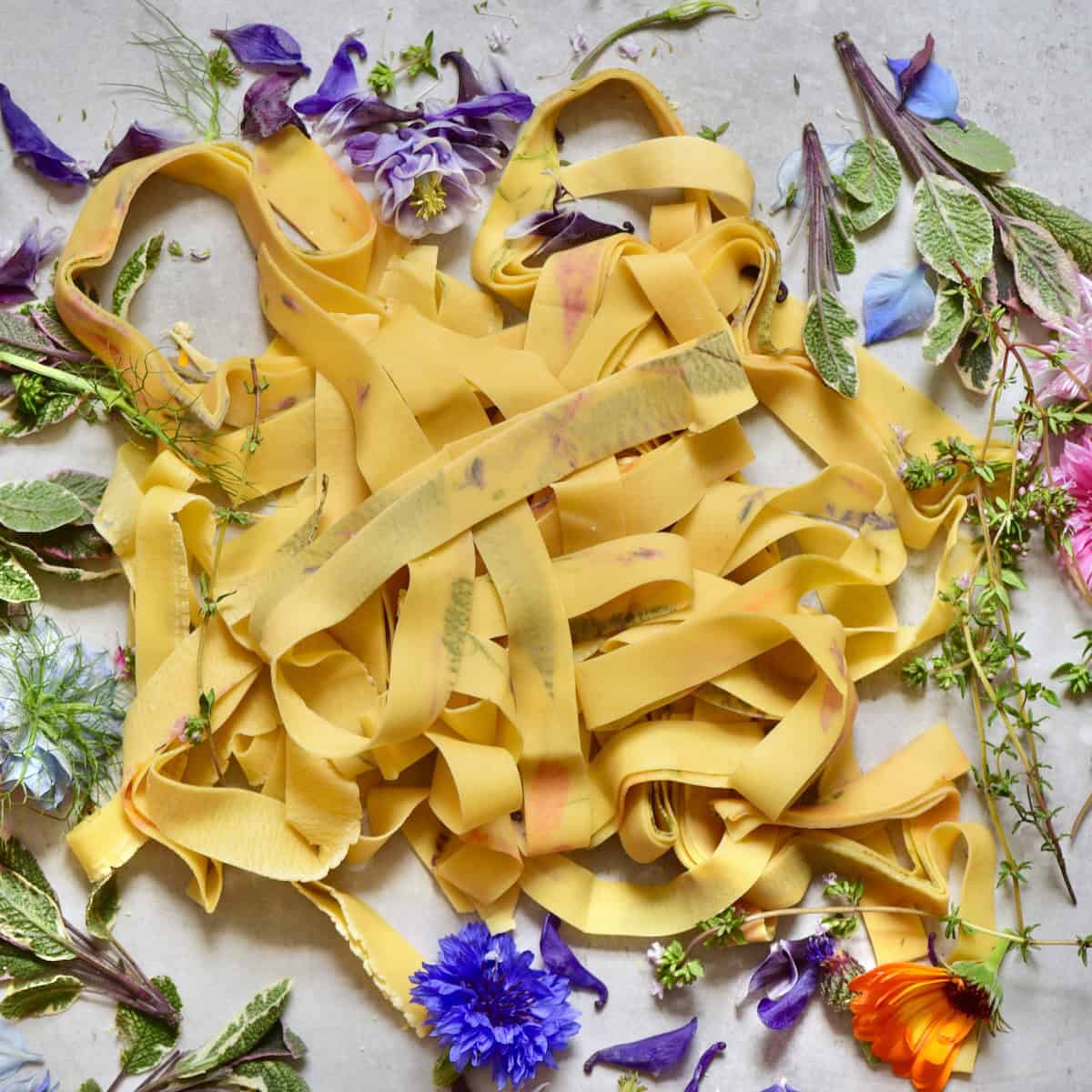
Imagine a dish that’s as delightful to behold as it is to taste – a plate of vibrant, fresh pasta ribbons infused with delicate blossoms and aromatic herbs, lovingly tossed in a bright, herbaceous basil pesto. Crafting homemade pappardelle floral pasta basil pesto at home is not just cooking; it’s an immersive, sensory experience that brings a touch of artisanal elegance to your kitchen. Forget store-bought; the satisfaction of creating silky, wide ribbons of pasta from scratch, especially with a stunning floral twist, is unmatched. And when paired with a vibrant, classic basil pesto, you'll elevate a simple meal into an unforgettable culinary masterpiece.
This comprehensive guide will walk you through every step, from mastering the perfect pasta dough to embedding beautiful edible flowers, and finally, creating a luscious, fresh basil pesto. Whether you're a seasoned pasta maker or a curious beginner, get ready to unleash your inner artisan and impress your family and friends with this show-stopping dish.
The Heart of the Dish: Crafting Perfect Homemade Pappardelle Dough
The journey to exquisite homemade pappardelle begins with the dough – a simple yet magical combination of flour and eggs. The beauty of fresh pasta lies in its minimal ingredients, allowing the quality of each to shine through. Typically, a good rule of thumb is 100g of '00' grade pasta flour and 1 large egg per person, making it incredibly easy to scale for any gathering.
Mixing and Kneading Your Way to Silky Smoothness
Start by creating a classic "well" on a clean, spacious work surface or in a large bowl. Pour your flour into a mound, then use your fingers to create a deep well in the center. Crack your eggs directly into this well. Using a fork, gently whisk the eggs, gradually incorporating small amounts of flour from the inner rim of the well. Continue this process until the mixture thickens into a shaggy dough.
Once a cohesive mass forms, it's time for the true workout: kneading. This essential step develops the gluten in the flour, which is crucial for achieving that desirable smooth, elastic texture in your homemade pappardelle. For about 10-15 minutes, repeatedly push, pull, and stretch the dough with the heel of your hand. It might feel sticky at first; resist the urge to add too much flour. A light dusting is fine if absolutely necessary, but patience is key. The dough will transform from rough and sticky to smooth, elastic, and slightly firm to the touch. Alternatively, a stand mixer fitted with a dough hook can do the heavy lifting for you, kneading for 7-10 minutes on a medium-low speed until the dough clears the sides of the bowl.
Once kneaded, wrap the dough tightly in plastic wrap or place it in an airtight container and let it rest at room temperature for at least 30 minutes. This resting period allows the gluten to relax, making the dough much easier to roll out and preventing it from snapping back.
From Dough Ball to Delicate Ribbons: Rolling and Cutting
With your perfectly rested dough, the next step is to transform it into thin, elegant sheets ready for cutting into Homemade Pappardelle: Classic & Floral Pasta Made Simple. You have two primary methods for this: the traditional rolling pin or a pasta machine.
The Art of the Rolling Pin
Don't have a pasta machine? No problem! A good quality rolling pin (or even a clean wine bottle) can produce stunning results. Divide your dough into manageable portions. Lightly flour your work surface and your rolling pin. Begin rolling from the center outwards, rotating the dough frequently to ensure an even thickness. Continue rolling until the dough is incredibly thin – almost translucent, where you can faintly see your hand underneath. This takes practice and a bit of elbow grease, but the satisfaction is immense. For more detailed tips on this method, you might enjoy No Pasta Machine? Make Elegant Floral Pappardelle Pesto.
Leveraging a Pasta Machine
If you have a pasta machine, it streamlines the process significantly. Start by setting your machine to the widest setting (usually '0'). Flatten a piece of dough slightly, feed it through, then fold it in half and feed it through two or three more times. This helps to further develop the gluten and create a uniform sheet. Lightly dust with flour if it starts to stick. Then, progressively move to thinner settings, feeding the dough through each one until you reach your desired thinness (typically setting '6' or '7' on most machines for pappardelle). The goal is a sheet that is thin, smooth, and slightly translucent.
Cutting Your Pappardelle
Once your pasta sheets are rolled to perfection, it's time to cut them into their distinctive wide ribbons. Lightly flour your thin sheets to prevent sticking, then gently fold them loosely a few times (like folding a blanket). Using a sharp knife or a fluted pasta cutter, slice the folded sheets into wide ribbons, approximately 1 inch (2.5 cm) in width. Unfurl them carefully and lay them on a lightly floured surface or hang them to dry slightly while you prepare the sauce.
A Touch of Nature: Crafting Stunning Floral Pappardelle
This is where the magic truly happens, transforming your simple pasta into a work of art. The secret to floral pasta lies in lamination – pressing delicate herbs and edible flowers between two thin sheets of dough. Not only does this technique create a visually captivating pasta, but it also infuses a subtle, aromatic flavor profile.
Selecting Your Edible Blooms and Herbs
Safety first! Ensure any flowers you use are specifically labeled as edible and are free from pesticides. Excellent choices include:
- Flowers: Pansies, violas, calendula petals, nasturtiums, borage, chive blossoms, rose petals (from unsprayed roses).
- Herbs: Flat-leaf parsley, dill, chives, small basil leaves, marjoram.
Choose vibrant, fresh specimens. Their natural moisture will help them adhere to the pasta dough.
The Lamination Process
To create floral pasta, you'll need two thin pasta sheets of similar size. Roll out one sheet as described above to your desired thinness. Gently arrange your chosen herbs and edible flowers onto this sheet. Be creative with your pattern – a scattered look or a more organized design can both be beautiful. Ensure the flowers and herbs are flat against the pasta, pressing them down gently to remove any air pockets.
Once your botanical arrangement is complete, carefully lay a second, equally thin pasta sheet directly on top. Align the edges as best you can. Now, with a rolling pin, gently but firmly roll over the top sheet. The goal is to press the two layers of pasta dough together, sandwiching and embedding the herbs and flowers. Roll slowly and evenly, applying enough pressure to bond the layers without tearing the delicate flowers. You'll see the vibrant colors begin to show through the top layer of pasta, creating a beautiful stained-glass effect. Continue rolling until the combined sheet is uniformly thin and the flowers are securely sealed within. Then, proceed to cut your beautiful Homemade Pappardelle: Classic & Floral Pasta Made Simple as usual.
The Perfect Companion: Homemade Basil Pesto
No dish of fresh pappardelle, especially one as exquisite as homemade pappardelle floral pasta, would be complete without a vibrant, aromatic companion. Enter the classic basil pesto – a sauce renowned for its simple ingredients and explosive flavor.
Ingredients for a Traditional Basil Pesto
- 2 cups fresh basil leaves (packed)
- 1/2 cup grated Parmesan cheese (or a mix of Parmesan and Pecorino Romano)
- 1/2 cup extra virgin olive oil (high quality makes a difference!)
- 1/3 cup pine nuts (lightly toasted for deeper flavor)
- 2-3 cloves garlic, minced
- Salt and freshly ground black pepper to taste
Crafting Your Pesto
Traditionally, pesto is made using a mortar and pestle, which gently bruises the basil and releases its oils for an intensely fresh flavor and a wonderfully rustic texture. If you have the time and equipment, this is the purist's choice.
For a quicker method, a food processor works beautifully. Combine the basil, toasted pine nuts, and garlic in the food processor. Pulse a few times until coarsely chopped. Add the grated cheese and pulse again. With the food processor running, slowly drizzle in the extra virgin olive oil until the pesto reaches your desired consistency – a rich, emulsified sauce that's still slightly chunky. Season generously with salt and pepper. Taste and adjust as needed.
To prevent your pesto from oxidizing and turning brown, immediately transfer it to an airtight container and pour a thin layer of olive oil over the top before sealing. This creates a barrier against the air, keeping it vibrant green.
Bringing It All Together: Cooking and Serving
Now for the grand finale! Bring a large pot of heavily salted water to a rolling boil. Fresh pasta cooks incredibly quickly, so be attentive. Gently drop your homemade pappardelle floral pasta into the boiling water. It will likely float to the surface within a minute or two. Cook for 2-4 minutes, or until al dente – tender but with a slight bite. The cooking time will vary depending on the thickness of your pasta.
While the pasta cooks, warm your homemade basil pesto in a large pan over low heat. If it’s too thick, add a splash of the pasta cooking water to loosen it up. This starchy water also helps the sauce adhere to the pasta. Drain the cooked pappardelle, reserving about a cup of the pasta water. Add the drained pasta directly to the pan with the warmed pesto. Toss gently to coat, adding more pasta water if needed to create a luxurious, glossy sauce. You can also add a knob of butter to the pan for an even richer, buttery pesto sauce, as mentioned in our inspiration.
Serve immediately, garnished with extra fresh basil leaves, a sprinkle of Parmesan, and perhaps a few more edible flowers for an extra flourish. Each bite offers a harmonious blend of fresh pasta, aromatic basil, nutty undertones, and a visual delight that truly sets this dish apart.
Conclusion
Crafting homemade pappardelle floral pasta basil pesto is more than just following a recipe; it's an exploration of flavor, texture, and visual artistry. From the meditative process of kneading the dough to the delicate lamination of edible flowers and the vibrant burst of homemade pesto, every step offers a chance to connect with your food on a deeper level. The result is a truly stunning and utterly delicious dish that speaks volumes of your passion for culinary excellence. So, roll up your sleeves, gather your ingredients, and embark on this delightful pasta-making adventure. Your taste buds, and your guests, will thank you.
